
Key Takeaways
- Aluminum Keeps Your View Open: Open pickets make it easier to see the pool from other parts of your yard while giving you a durable, low-maintenance barrier.
- Vinyl Gives You More Privacy: Solid vinyl panels can block outside views and don’t need staining or sealing.
- Pool Requirements Come First: Whichever material you choose, your finished fence and gate must meet the pool barrier requirements for your property.
As you start picturing summer days outside, your new pool fence becomes a key part of how your whole backyard comes together. So what is the best fence material for pools when you want to keep the area safe without giving up the privacy or open feel you want?
At Timber Ridge Fence Company, we’ve installed fences around Indianapolis-area homes for more than 30 years and have seen firsthand how the right fence can transform outdoor spaces. In this guide, we’ll walk you through the popular pool fence materials, why each one works well, and what to check before you choose.
Why Pool Fence Material Matters More Than You Think
A pool fence needs to fit your property and meet local requirements. We’ll help you plan your pool fence with Indiana’s residential pool barrier requirements in mind and point out any barrier and gate details you’ll want to confirm before installation.
From there, consider how much privacy you want and how much upkeep you’re comfortable with. Different pool fence styles offer more privacy, preserve your view of the pool, or strike a balance between the two.
The 4 Best Pool Fence Materials Compared
Aluminum Pool Fencing
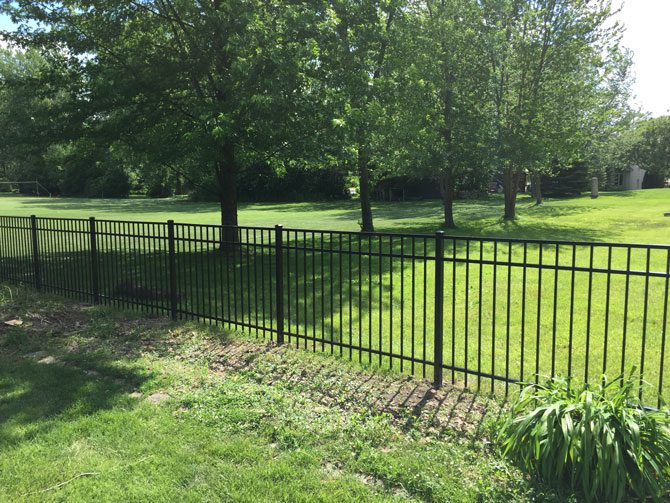
Aluminum is a strong choice if you want a clear view of the pool with minimal upkeep. The open pickets preserve sightlines, while our powder-coated aluminum resists rust, corrosion, and fading in Indiana weather without painting or staining.
Aluminum is durable, but a hard impact can still dent or bend it. It also generally costs more upfront than some other options, and the open design won’t give you much privacy.
Vinyl Pool Fencing
If privacy is a priority around your pool, vinyl pool fencing provides solid coverage with relatively little upkeep. Vinyl won’t rot or splinter, and it holds up well in Indiana weather without regular staining or sealing. That makes it especially useful when your pool sits close to a neighboring property or an exposed part of the yard.
You don’t necessarily have to screen the entire yard, either. Different backyard privacy fence ideas can help you add coverage where you want it while keeping the rest of the space more open.
Ornamental Metal Pool Fencing
Ornamental metal gives you the open feel of aluminum with a heavier, more traditional look. It’s strong and durable, but it requires more upkeep. Scratches or worn finishes may need attention over time to prevent rust, and you can generally expect to pay more upfront.
Mesh Pool Fencing
Removable mesh fencing keeps your view of the pool open and can be taken down when needed. Consider this type if you want a temporary or supplemental barrier rather than a permanent metal or vinyl fence.
Before choosing mesh over a permanent fence, our team will help you compare it with permanent aluminum or vinyl options and make the best decision for your property.
Common Mistakes Indiana Pool Owners Make When Choosing a Fence
- Shopping on Price Alone: Don’t let the lowest upfront price decide for you. Think about future upkeep and how well the material fits your backyard.
- Forgetting About the Gate: Think about where you’ll enter the pool area, but don’t stop at placement. The gate also needs to meet latching and closing requirements.
- Closing Off Too Much of the Yard: Privacy is great, but you may still want a clear view of the pool from your house or patio. Think about where you want coverage before choosing solid panels.
- Underestimating Maintenance: Be realistic about how much upkeep you want down the road. Some materials need more attention as they age, while aluminum and vinyl require minimal maintenance.
- Checking Local Requirements Too Late: Check your municipality’s or HOA’s pool barrier requirements before choosing a fence. They set rules for fence height, openings, gate placement, and how the gate needs to close and latch.
By the time your pool and fence are finished, they should feel like they belong in the same backyard. If you’re still deciding which pool fence material is right for your home, our team can help you compare the options based on your goals and budget.
FAQs
What Is the Cheapest Pool Fence Material?
Removable mesh is often one of the lower-cost pool fence options upfront, while permanent materials like aluminum, vinyl, and ornamental metal typically cost more. Your final price will depend on how much fencing you need, the number of gates, and your yard layout.
Is a Removable Mesh Fence Enough Around a Pool?
It can be, but the specific system and installation need to meet the pool barrier requirements where you live. Pay attention to the fence height, openings, gate, and how the system is secured. If you’re considering removable mesh as your primary pool barrier, check with your local building department before installing it.
Which Is Better for a Pool Fence, Trex or Vinyl?
Vinyl may be the better fit if you want a low-maintenance pool fence that won’t rot or need staining. Trex gives you a heavier, wood-like look with the durability of a composite material, but it typically costs more upfront. The best choice depends on the look you prefer and how much you want to spend upfront.
Does a Pool Fence Need a Self-Closing Gate?
Yes, depending on your property’s requirements. The CPSC’s pool safety guidelines recommend self-closing and self-latching pedestrian gates. You’ll also want to make sure the gate continues to close and latch properly over time.
Should I Choose a Privacy Fence or an Open Fence Around My Pool?
Choose an open fence if you want a clear view of the pool from your home or patio. Aluminum works well for this because the pickets preserve sightlines. If you’d rather screen the pool from neighboring properties, solid vinyl gives you more privacy.