
At a Glance
- Most Indianapolis-area homeowners spend anywhere between $1,500 and $8,000 on a new fence, depending on the material, linear footage, labor, and site conditions.
- Chain link is generally the most affordable option, while vinyl, aluminum, and ornamental iron come with higher upfront costs.
- Yard size, terrain, gates, permits, and accessibility all influence the final price.
If you’re planning to upgrade your yard with a new fence, you’re probably asking the same question many Indianapolis homeowners do: How much does a fence cost?
Timber Ridge Fence Company has over three decades of experience building residential fences throughout the Indianapolis metro. In this guide, we break down fence costs by material and yard size, outlining the factors that have the biggest influence on your final estimate.
What Drives Fence Installation Cost?
When homeowners ask us, “How much does it cost to get a fence installed?”, the answer depends on a handful of key variables. Understanding these factors first makes it much easier to compare estimates and decide which type of fence fits both your property and your budget.
Material
Chain link is typically the most affordable fence material, while vinyl, aluminum, and ornamental iron cost more upfront. Even wood fencing varies in price depending on the type of wood used.
Linear Footage
Most contractors price fences by the linear foot. A 100-foot fence naturally costs less than a 300-foot fence, although larger projects may benefit from per-foot labor savings.
Terrain and Soil Conditions
Flat, accessible yards are generally less expensive to fence than properties with slopes, tree roots, or limited access. Heavy clay soil, which is common throughout parts of the Indianapolis area, can also increase installation time.
Gates, Permits, and Property Access
Adding a gate is an easy way to make your fence more functional, but it also adds to the overall project cost. Larger driveway gates generally require more materials and hardware than a standard walk gate, and typically cost more.
Why Labor Is Half the Bill
Labor often accounts for a large portion of the overall fence installation cost because the work involves more than just installing panels. Before the fence goes up, the property is measured, the layout is marked, post holes are dug, concrete is poured, and gates are installed. The site is also cleaned once everything is complete.


How Yard Size Translates to Linear Footage
As a general guideline, a 1/4-acre lot with fencing on three sides usually requires about 130 to 150 linear feet of fencing. For a 1/2-acre backyard, that number is typically 200 to 250 linear feet, depending on the property’s shape. These are helpful planning estimates, but every yard is unique.
Fence Cost by Material — Wood, Vinyl, Chain Link, and More
The material you choose plays one of the biggest roles in your overall fence budget. While every project is unique, comparing fence installation costs by material can help you narrow down your options before requesting a quote.
| Material | Installed Cost Per Foot | Typcial Lifespan |
|---|---|---|
| Wood | $12-$30 | 15-20 years |
| Vinyl | $15-$40 | 20-30 years |
| Chain Link | $8-$40 | 20-30 years |
| Aluminum | $17-$90 | 30-50+ years |
| Ornamental Iron/Steel | $25-$55+ | 50+ years |
Wood Fence Cost
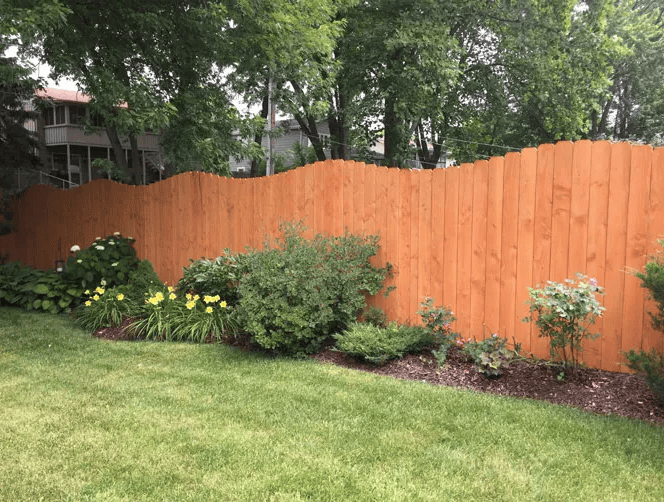
With its balance of privacy, curb appeal, and value, t’s easy to see why wood remains one of the most popular fence choices around Indianapolis. A standard 6-foot cedar privacy fence typically costs $15 to $30 per linear foot installed, while pressure-treated pine generally ranges from $12 to $22 per linear foot.
Cedar is popular because it naturally resists rot and insects, making it well-suited for Indiana’s changing seasons. Pressure-treated pine costs less upfront but usually requires more maintenance over time.

Vinyl Fence Cost
Vinyl fencing generally ranges from $15 to $40 per linear foot installed, making it a larger upfront investment than wood. In return, it requires very little maintenance, since it doesn’t need staining, sealing, or painting, and it won’t rot or attract insects. Many homeowners also appreciate how well vinyl fences withstand Indiana’s freeze-thaw cycles and seasonal temperature swings.
Chain Link, Aluminum, and Ornamental Iron
Every fence material has its strengths. Whether you’re looking for a practical backyard fence or something that makes more of a statement, here’s how chain link, aluminum, and ornamental iron options compare.
Need a simple way to define your property or keep pets contained? Chain link gets the job done without stretching your budget. Aluminum is a favorite for homeowners who want an open, decorative look with very little upkeep. Ornamental iron and steel make the biggest statement and can last for decades when properly maintained.

Real Cost Examples for Indianapolis Fence Projects
Every property is unique. The following scenarios reflect the types of residential fence projects we’ve completed in Indianapolis and the surrounding communities.
Small Backyard Privacy Fence (100 Linear Feet)
A 100-linear-foot privacy fence is a common choice for smaller backyards where homeowners want more privacy without fencing the entire property. At this size, material selection has the biggest impact on the total investment. Adding a walk gate or working around landscaping can also increase the overall project scope.
Standard Privacy Fence (150–200 Linear Feet)
This is one of the most common fence sizes we install throughout the Indianapolis metro. Whether you choose cedar or vinyl, a project of this size offers a good balance of privacy, functionality, and curb appeal. Because it requires more materials and labor than a smaller installation, the total cost naturally increases with the added footage.
Large Yard or Acreage Fence (300+ Linear Feet)
Larger properties require a much bigger investment because there’s significantly more materials, labor, and time needed. Site accessibility and layout can also influence the overall scope of work.

What Indianapolis Homeowners Commonly Overlook
It’s easy to focus on materials and price when estimating how much a fence costs, but a few overlooked details can affect your project if they aren’t addressed early.
- Permit Requirements: Fence regulations vary by municipality. Before installation begins, check with your local building department to see whether factors such as permits or height restrictions apply to your project.
- Property Lines: Installing a fence in the wrong location can create costly disputes with neighbors. If your property lines aren’t clearly marked, a survey is often worth considering before construction starts.
- Call 811 Before Digging: Indiana law requires homeowners and contractors to contact Indiana 811 before digging to have underground utilities marked. It’s a simple step that helps prevent damaged utility lines and unnecessary delays.
- HOA Approval: Many neighborhoods throughout Carmel, Fishers, Westfield, and surrounding communities have HOA guidelines that regulate fence styles, materials, or heights. Getting approval beforehand can help keep your project on schedule.
- Gate Placement: Gate placement significantly impacts fence functionality. Planning the location and swing direction before installation helps avoid headaches after the project is finished.
Still wondering, “How much does a fence cost?”
Contact Timber Ridge Fence Company today, and we’ll walk you through your options and provide a straightforward estimate based on your project’s unique requirements. Let’s build your new forever fence together.
FAQ — Fence Cost Questions Indianapolis Homeowners Ask
How much does it cost to fence in a 1/4-acre yard in Indianapolis?
Most quarter-acre backyards require around 130 to 150 linear feet of fencing if you’re enclosing three sides. The total cost depends on the material you choose. The easiest way to get an accurate estimate is to have a contractor measure your property.
Is it cheaper to install a fence yourself or hire a contractor?
DIY can save on labor, but you’ll also need to rent equipment, buy materials, and set aside the time to do the job right. Hiring a professional is worth it for the time savings and peace of mind alone.
What is the cheapest fence option that still provides privacy?
Pressure-treated pine is usually the most budget-friendly privacy fence. It costs less upfront than cedar or vinyl, but you’ll want to plan for routine staining or sealing to keep it looking its best.
How long does fence installation take?
Most residential fence projects are completed within a couple of days, although larger yards or poor weather can extend the timeline. Your contractor can give you a more accurate schedule once they’ve reviewed your property.
Does a fence increase home value in Indianapolis?
Every home is different, but a well-built fence can increase your home’s value by up to 50%. A new fence not only adds curb appeal, but is especially valuable for those with children or pets.